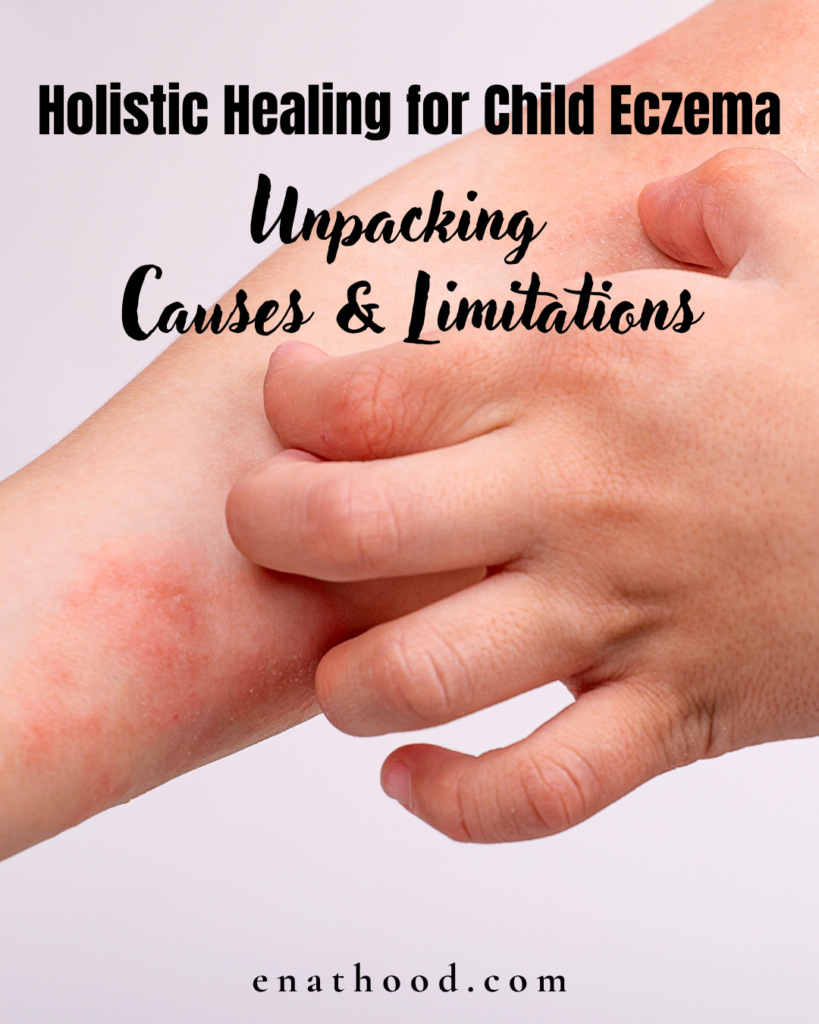
I’ve received numerous questions from fellow mothers about eczema. It is a skin condition that many children seem to be facing today. While I don’t have personal stories to share, I am eager to provide insights and resources on this important topic.
As Hippocrates famously said, “all disease begins in the gut.” In our modern world, multiple factors contribute to the rising incidence of eczema among children. Including poor nutrition, excessive reliance on formula feeding, overmedication, increased sterilization practices, and a higher number of cesarean births. Additionally, genetic and environmental influences also play significant roles, creating a complex interplay that can lead to skin issues like eczema.
The Eczema Epidemic: Understanding the Scope
Eczema, also known as atopic dermatitis. It is a long-lasting skin condition that causes dry, itchy, red, and inflamed patches on the skin. It affects about 2.6% of the global population, often starting in early childhood. Many children in the U.S. struggle with eczema, leading to constant scratching, discomfort, and social challenges. It can profoundly impact their quality of life, affecting sleep, school attendance, and overall well-being.
Recent studies indicate that a combination of factors—including less exposure to certain foods early in life, often due to limited breastfeeding. Also, cesarean births—can lead to increased skin sensitivities and flare-ups.
In fact, research suggests that cesarean births can disrupt the natural colonization of the gut microbiome, which is crucial for immune system development. The gut-brain-skin connection is vital. If the gut is not healthy, it can manifest in various skin issues, including eczema.
Conventional Medicine vs. Holistic Functional Medicine: A Contrast in Approaches
In conventional medicine, eczema is seen primarily as a skin barrier problem caused by genetics, allergens, and irritants. Diagnosis is typically clinical, meaning that doctors look at the skin and assess symptoms. Common treatments include:
– Topical Corticosteroids: These are anti-inflammatory creams or ointments used to reduce swelling, redness, and itching. While effective in the short term, prolonged use can lead to skin thinning and other side effects.
– Moisturizers and Antihistamines: These help relieve itching and keep the skin hydrated, but they don’t address the underlying causes of eczema.
– Severe Cases May Require Immunosuppressants or Biologics: These advanced medications work by weakening the immune response to reduce inflammation. While they can be effective, they come with potential side effects and risks that need to be carefully considered.
While these treatments can offer short-term relief, they may not address the underlying causes of eczema. They often focus solely on symptom management rather than holistic healing.
On the other hand, holistic functional medicine approaches eczema as a symptom of deeper imbalances. Mostly it is gut health problems and dietary issues. This perspective focuses on the connection between the gut and skin, recognizing that imbalances in gut bacteria can lead to immune system overreactions. Holistic treatments aim to heal from within, using personalized diets, probiotics, stress management, and natural topical remedies for long-lasting relief.
The Holistic Approach: Real-life Transformations Through Diet and Gut Healing
Diet plays a crucial role in managing eczema. Common triggers include dairy and gluten, which can increase inflammation and worsen gut issues. Research shows that many children with eczema have seen improvements by eliminating dairy from their diets.
One effective approach to healing is the GAPS (Gut and Psychology Syndrome) diet. This diet focuses on nourishing foods like bone broths, fermented foods (such as kefir), meats, and vegetables, while avoiding grains and sugars. The GAPS diet is outlined in a book by Dr. Natasha Campbell-McBride, who emphasizes its role in rebuilding gut health. She explains how the diet works to heal the gut lining and restore the microbiome balance that is vital for overall health.
The GAPS diet encourages the consumption of nutrient-dense foods that are easy to digest. Bone broth, for example, is rich in collagen and amino acids, which can help repair the gut lining. Fermented foods provide beneficial probiotics that can promote a healthy gut microbiome. By focusing on these foods, many families have reported significant improvements in their children’s eczema symptoms.
Studies suggest that following the GAPS diet can help restore gut barriers and reduce eczema symptoms, even in children with food sensitivities. For instance, one study reported a 90% reduction in eczema symptoms after introducing kefir and increasing sunlight exposure, both of which align with GAPS principles.
Success Stories: Wellness Mama, a well-known advocate for holistic health, shares a compelling testimony about her son, who was born via cesarean section. She turned to the GAPS diet to heal his gut lining, which resulted in significant reductions in his eczema symptoms. This real-life example illustrates the potential for dietary changes to create transformative effects in children suffering from eczema.
Also, on this episode of our podcast Melat Mamo, (MPH, licensed ASCP), shares her journey of healing her son from eczema through the GAPS diet.
Natural Topical Relief: Soothing Options While Focusing on Internal Healing
While making dietary changes is vital for long-term healing, there are gentle, natural topical treatments that can provide temporary relief from eczema symptoms. Here are some options to consider:
– Coconut Oil: Applying a thin layer can help soothe itching and hydrate the skin since it is hypoallergenic and cooling. Many parents find that coconut oil provides a natural barrier that helps protect the skin.
– Magnesium Spray: A sea salt-based spray can help dry out oozing skin. It also provides minerals similar to those found in the ocean. Magnesium is known for its anti-inflammatory properties and can also help with stress Bobby
– Tobby Todd Cream: Many parents have praised this nourishing ointment for its effectiveness in providing eczema relief. It’s made with natural ingredients that are gentle on sensitive skin.
– Colloidal Oatmeal Baths: Research shows these baths can lead to an improvement in symptoms for over 82% of children with eczema. Colloidal oatmeal can help soothe inflammation and provide a protective barrier on the skin.
– Pro Tip: Consider filtering your water to remove irritants, but prioritize eliminating inflammatory foods from your child’s diet. The quality of water can affect skin health, so choosing filtered water can help reduce skin irritations.
Taking Action: Assess Your Child’s Gut Health with Tiny Health
For a more tailored approach to understanding your child’s eczema, if you have the access, I recommend Tiny Health. It offers at-home gut microbiome tests designed specifically for children. These tests analyze the bacteria in their gut that are related to eczema and help identify any imbalances, such as reduced diversity from cesarean births.
Their reports provide insights into your child’s gut health, flagging any issues that may need attention. For instance, if the report shows low diversity in gut bacteria, it can suggest targeted probiotics and prebiotics that can help restore balance. Research supports the idea that improving gut health can reduce inflammation and flare-ups, leading to better skin health.
Visit tinyhealth to get your child tested and discover personalized dietary recommendations that could make a difference in their eczema management.
Join the Conversation: Share Your Eczema Journey
I would love to hear from you! What has your experience been with eczema? Have you tried the GAPS diet or undergone gut testing for your little one? Please share your successes or challenges in the comments. Your insights could provide valuable support to other families navigating similar struggles.
In conclusion, eczema is a complex condition that requires a multifaceted approach for effective management. By exploring natural healing methods, prioritizing gut health, and fostering open conversations about our experiences, we can empower ourselves and others to find lasting solutions for our children. Together, we can help inspire hope and healing for families dealing with eczema.
As we navigate the challenges of managing eczema, it’s essential to equip ourselves with knowledge and resources. Books like the GAPS diet guide by Dr. Natasha Campbell-McBride offer valuable insights into dietary changes that can support gut health.
Additionally, online platforms and communities can provide support and shared experiences from other parents facing similar challenges. The book The Eczema Cure is a very thorough resource and provides answers when it feels like you’ve tried everything else.
Also, according to newer research babies with eczema have a 1 in 3 chance of developing a food allergy later in life. In fact, they are 11 times more likely to develop a peanut allergy by their first birthday compared to infants without eczema.
It’s also important to note that symptoms of eczema often occur earlier than a food allergy, furthering the importance of food allergy prevention for babies with eczema.
Due to this research, the National Institutes of Health (NIH) and American Academy of Pediatrics (AAP) now recommend introducing allergenic foods early and often specifically for infants with eczema to reduce their risk of developing a food allergy.
Finally, remember that each child’s journey with eczema is unique. What works for one child may not work for another. So it’s important to remain patient and persistent in finding the right solutions. By focusing on a holistic approach that addresses both the gut and skin, we can help our children thrive and enjoy a better quality of life.

 English
  Amharic
Leave a Reply